
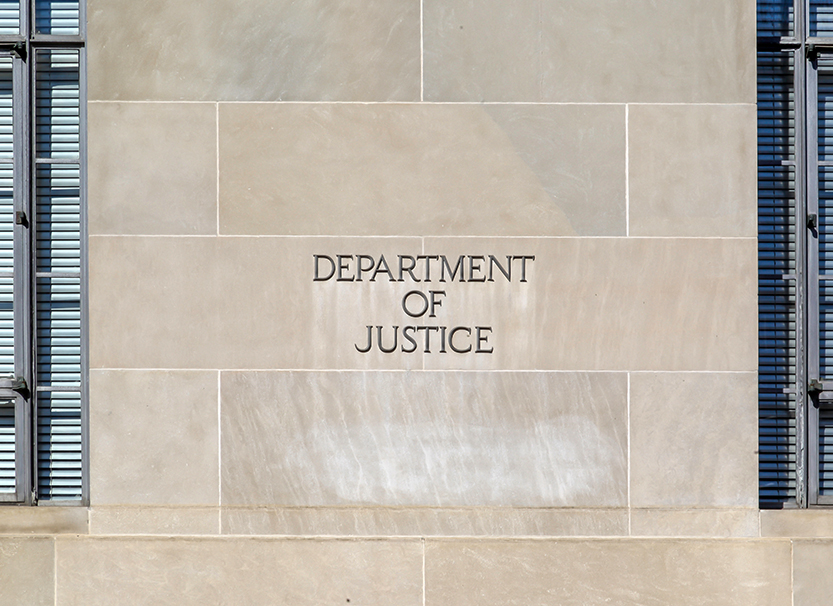
DOJ’s Fraud Division Directs Broader Charging Strategies and Earlier Asset Seizures in New Memorandum
The U.S. Department of Justice’s (DOJ) National Fraud Enforcement Division has issued a new directive calling for more aggressive fraud investigations and prosecutions, including broader charging strategies, earlier asset seizures, and increased use of cooperating witnesses. Released on October 8, 2026, Directive 26-13 builds on the Division’s recently announced enforcement priorities and provides prosecutors with specific instructions for pursuing fraud cases.
The Directive instructs prosecutors to consider tax, securities, and consumer fraud charges alongside traditional fraud offenses, while emphasizing the use of asset freezes, forfeiture proceedings, and other measures to disrupt suspected misconduct before criminal charges are filed. It also encourages proactive investigations through data analysis, cooperating insiders, and undercover operations, and directs prosecutors to seek stronger sentences where warranted.
Although the Directive does not create new criminal offenses or expand DOJ’s existing authority, it signals a more coordinated and aggressive approach to fraud enforcement. Companies operating in priority sectors, including health care, government contracting, and trade, should assess potential exposure across multiple legal regimes, prepare for enforcement actions that could disrupt operations before indictment, and evaluate credible allegations promptly, particularly where voluntary self-disclosure may be an option. Click here for the full post.





June DOJ/SBA FCA Settlement Highlights Continued Focus on Contractor Compliance
On June 9, 2026, DOJ announced a settlement with Broadway Electric Inc. (“Broadway”); its subsidiary, Cornerstone Contracting Inc. (“Cornerstone”); and two of their individual executives, for $21.3 million to resolve False Claims Act allegations. The settlement targeted alleged fraud against the Small Business Administration’s (“SBA”) set-aside contract program for service-disabled veteran-owned small businesses (“SDVOSBs”). The settlement suggests that the government is surging resources to both anti-fraud issues generally, and to alleged SBA fraud in particular.