
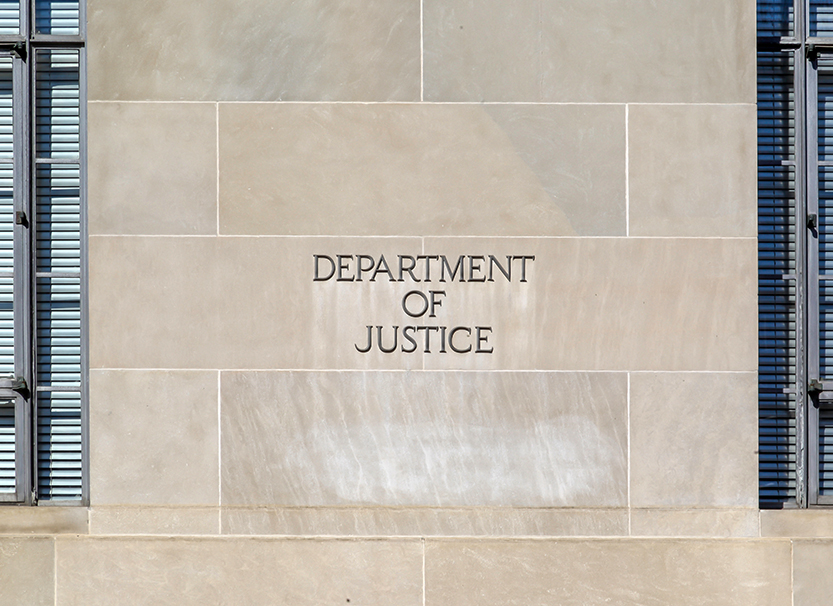
DOJ Ends 15-Year-Old Economic Espionage Case—With Prejudice
In a surprising development, on July 13, 2026, the U.S. Department of Justice dismissed with prejudice its landmark economic espionage prosecution against Pangang Group Company, Ltd. and its subsidiaries—a Chinese state-owned enterprise accused of stealing DuPont trade secrets for the benefit of the Chinese government. The dismissal came just one week after trial began, bringing to an end one of the longest-running and most consequential prosecutions under the Economic Espionage Act.
Although the case itself is over, its legal legacy remains. Over more than a decade of litigation, the prosecution produced significant rulings on service of process, foreign sovereign immunity, and the treatment of foreign state-owned enterprises under the Economic Espionage Act and the Foreign Sovereign Immunities Act. Those decisions, together with amendments to Federal Rule of Criminal Procedure 4 prompted by the litigation, will continue to shape future prosecutions.





China’s New Supply Chain Security Regulations: Key Takeaways for Companies With China Operations or China-Linked Supply Chains
China’s new Regulations on Industrial and Supply Chain Security, which took effect on April 7, 2026, add another significant layer to the country’s expanding countermeasures framework. The regulations give Chinese authorities broad powers to monitor activities that could be viewed as threatening China’s industrial or supply chain security, creating new compliance challenges for companies with China operations or China-linked supply chains.
From increased scrutiny of key sectors and supply chain due diligence to heightened risks around supplier transitions, customer terminations, and sanctions-driven business decisions, the regulations underscore a growing reality: actions taken to comply with foreign trade restrictions may carry legal consequences in China.
In this blog post, we examine the regulations’ key provisions, identify four principal risk areas for multinational companies, and discuss practical steps companies should consider as conflict-of-laws risks become increasingly difficult to avoid.